Best Builders in Gurgaon (2026): Compared by Delivery, Trust & ROI
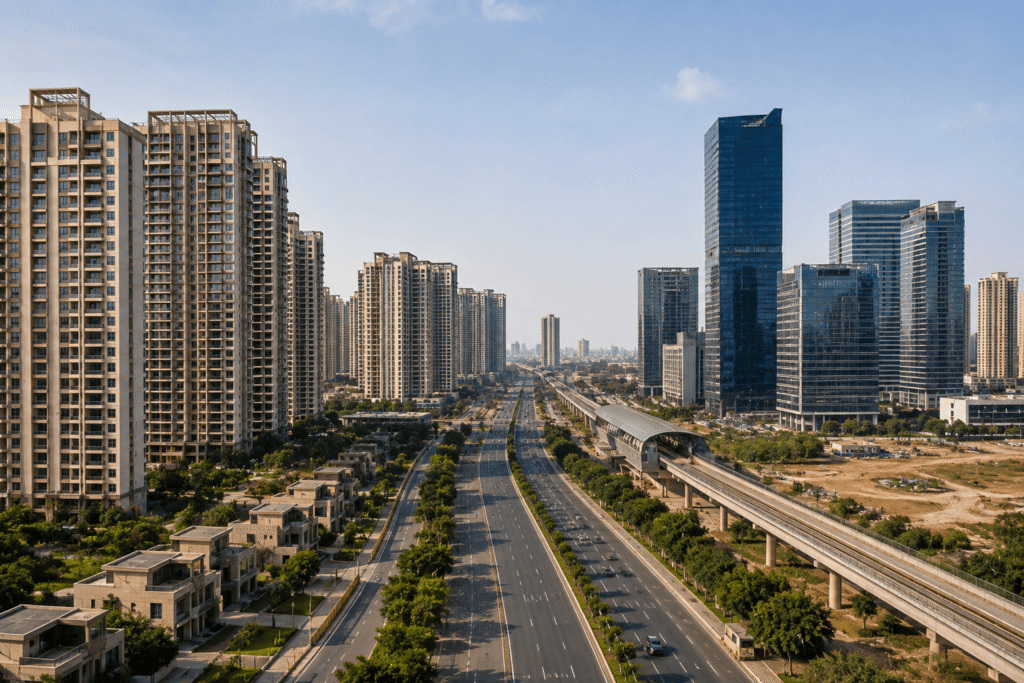
Gurgaon has become one of India’s most closely watched real estate markets, and it pulls in homebuyers, NRIs, and investors from well beyond the NCR. But the mistake that consistently costs buyers the most isn’t choosing the wrong sector or floor plan; it’s selecting a project without properly evaluating the developer behind it.The developer you choose shapes almost everything that happens after you sign: whether possession happens on schedule, whether construction quality holds up ten years in, whether the project resells well, and whether tenants actually want to live there. This guide compares the best builders and top real estate developers in Gurgaon across four practical criteria, so you’re comparing developers on substance rather than on which one has the flashiest launch campaign this quarter. Quick Answer: Who Are the Best Builders in Gurgaon? DLF is generally considered the benchmark developer in Gurgaon due to its long market presence, premium portfolio, and resale ecosystem. Godrej Properties, Sobha, M3M, Emaar, ATS, Experion, and Signature Global are also among the developers frequently considered by buyers depending on budget, location preference, and investment goals. How We Compared the Builders This isn’t based on advertising spend or launch hype. Four factors form the basis of this comparison: A note on how to read this: these comparisons reflect general market reputation and publicly available track record, not an exhaustive audit of every project each developer has built. Individual projects from even top-tier developers vary; always verify the specific project’s HRERA status and documentation independently before booking. Quick Comparison: Top Builders in Gurgaon Builder Founded Best For Delivery Trust Construction DLF 1946 Luxury, NRIs, long-term investors ★★★★★ ★★★★★ ★★★★★ Godrej Properties 1990 Premium family living ★★★★☆ ★★★★★ ★★★★☆ Sobha Limited 1995 Engineering-led luxury ★★★★☆ ★★★★☆ ★★★★★ M3M India 2007 High-growth luxury corridors ★★★★☆ ★★★★☆ ★★★★☆ Signature Global 2014 First-time & mid-income buyers ★★★★☆ ★★★★☆ ★★★★☆ Experion Developers 2006 Premium end-users ★★★★☆ ★★★★☆ ★★★★☆ Emaar India 2005 International-standard townships ★★★★☆ ★★★★☆ ★★★★☆ ATS Group 1998 Reliable mid-to-premium execution ★★★★☆ ★★★★☆ ★★★★★ Bestech Group 1990 New Gurgaon, family communities ★★★★☆ ★★★☆☆ ★★★★☆ Smart World Developers 2021 Tech-led homes, younger buyers ★★★☆☆ ★★★☆☆ ★★★★☆ Methodology Note: This comparison is based on publicly available information, market reputation, project delivery history, portfolio quality, and buyer perception. Ratings represent an editorial assessment and should not replace project-level due diligence. Ratings indicate relative market positioning based on editorial assessment, not independently verified numerical scores. 1. DLF — The Benchmark of Gurgaon Real Estate Overview: DLF is effectively synonymous with modern Gurgaon. Founded in 1946 and originally focused on Delhi’s residential colonies, the company expanded significantly into Gurgaon during the late 20th century as Delhi faced increasing land constraints and Gurgaon emerged as a major private real estate destination. This expansion played a major role in shaping Gurgaon’s modern real estate landscape. From DLF Phases 1–5 to Cyber City and Golf Course Road, there’s barely a premium Gurgaon corridor DLF hasn’t influenced. Why DLF leads: Popular Projects: DLF Privana, The Camellias, The Arbour, The Crest, The Magnolias, The Aralias Best For: Luxury buyers, long-term investors, NRIs, premium rental income Buyers should still verify project-specific HRERA details and agreements independently, but DLF is often considered one of the more established developer choices in Gurgaon due to its long operating history and resale ecosystem. 2. Godrej Properties Overview: Godrej Properties carries the weight of the broader Godrej Group’s 125-plus-year legacy, while operating as a more modern, design-forward developer in its own right. The company itself was established in 1990 and has built a national reputation for sustainability-focused development. Strengths: Popular Projects: Godrej Aristocrat, Godrej Miraya, Godrej Air Best For: Premium apartments, family living, long-term appreciation Independent buyer feedback generally places Godrej among the most trusted premium developers active in Gurgaon, though — as with any developer — delivery performance should be checked project by project rather than assumed from brand reputation alone. 3. Sobha Limited Overview: Sobha built its reputation on construction engineering rather than marketing. Founded in 1995 by PNC Menon, Sobha went public in 2006, reflecting the market confidence it had built before expanding further across India. Why buyers prefer Sobha: Suitable For: Luxury buyers, self-use homes, long-term investment 4. M3M India Overview: Founded in 2007, M3M has grown quickly into one of Gurgaon’s most visible luxury developers, with a portfolio concentrated heavily along Golf Course Extension Road and Dwarka Expressway, two of the city’s fastest-appreciating corridors. Strengths: Popular Projects: M3M Altitude, M3M Mansion, M3M Capital, M3M Golf Estate Extension Suitable For: Luxury investors, buyers targeting high-growth corridors Because M3M’s growth has been rapid, buyer confidence tends to depend more heavily on project-specific execution than it does for older, more established developers. Due diligence is therefore more important than relying on brand recognition alone. 5. Signature Global Overview: Signature Global built its early reputation in affordable housing before expanding successfully into the premium segment, a transition that has expanded its presence beyond affordable housing into the premium residential segment. Strengths: Popular Projects: Signature Global City, Signature Daxin, Signature Titanium Best For: First-time buyers, mid-income investors, affordable luxury The company has strengthened its credibility meaningfully in recent years, but as with any developer expanding quickly into a new segment, buyers should review individual project timelines and approvals rather than assuming consistency across its full portfolio. 6. Experion Developers Overview: Experion has international investment backing and has positioned itself around premium residential developments with spacious layouts, lifestyle-focused planning, and a lower-volume development approach compared with many large-scale developers. Strengths: Popular Projects: Windchants, The Heartsong, The Trillion Best For: End-users, premium family living 7. Emaar India Overview: Emaar brings international township development experience into Gurgaon, and it shows in the landscaping and master-planning of its communities, a different design sensibility from most domestic developers. Advantages: Popular Projects: Emaar Palm Hills, Emaar Gurgaon Greens, Emaar Digihomes Best For: Buyers wanting international-standard township living 8. ATS Group Overview: Founded in 1998 under Getamber Anand’s leadership, ATS has built a reputation less on flashy branding and more on consistent
Is Gurgaon Real Estate in a Bubble? Expert Market Analysis (2026)
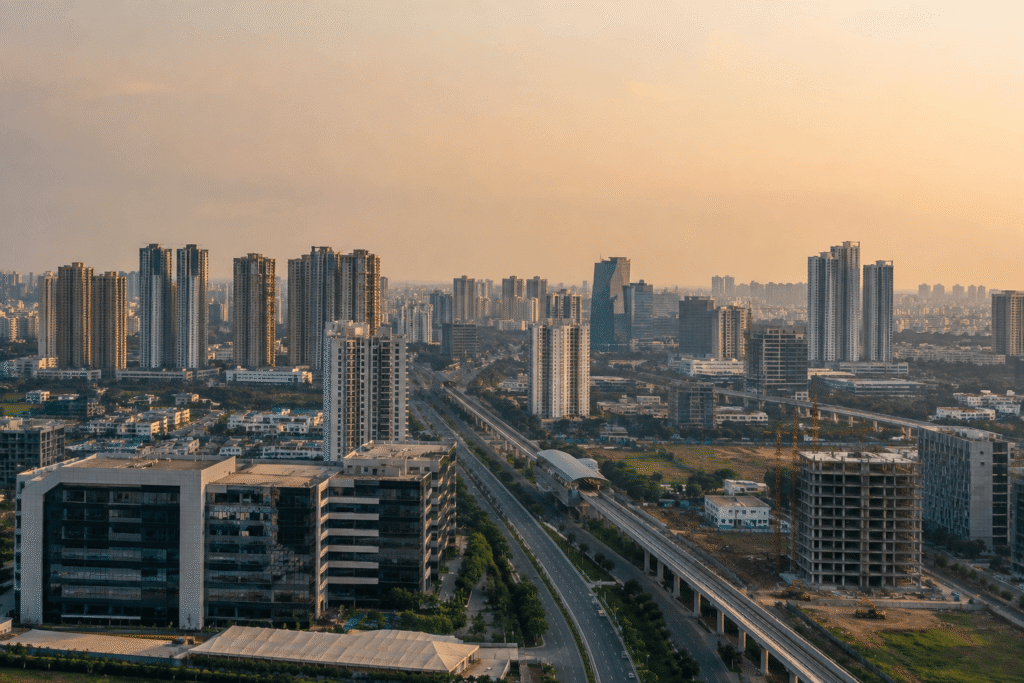
Key Takeaways The Gurgaon property market in 2026 reflects a mix of strong fundamentals, higher valuations, and selective risks across micro-markets. Every time a Gurgaon micro-market posts a headline-grabbing price jump, the same question resurfaces on investor forums and WhatsApp groups: is this growth real, or is Gurgaon just the next market waiting to correct hard? A balanced answer requires looking beyond recent price growth and examining the fundamentals supporting demand, along with the risks that could affect future performance. This analysis examines what constitutes a real estate bubble and evaluates Gurgaon against those criteria, and crucially, does not ignore the more complex aspects of the story that lend themselves to a “this is normal” narrative. Whether you’re considering purchase, hold, or wait decisions, you need the uncomfortable data points just as much as the reassuring ones. Quick Answer Gurgaon does not currently show signs of a city-wide real estate bubble in 2026. Strong employment growth, infrastructure expansion, and end-user demand continue to support the market. However, some micro-markets have experienced unusually rapid appreciation, rental yields remain modest, and buyers should evaluate individual projects rather than the city as a whole. Metric Current Status Bubble Risk Low city-wide End-user Demand Strong Rental Yield Moderate (2–3%) Infrastructure Expanding Oversupply Limited Investment Horizon 5–10 years What Actually Defines a Real Estate Bubble? A property bubble forms when prices rise significantly beyond what underlying fundamentals such as income levels, rental returns, and genuine housing demand can justify. The usual warning signs include: Most historical property bubbles from the US in 2008 to parts of China more recently showed several of these at once. The relevant question for Gurgaon isn’t whether prices have risen fast (they have), but whether that rise is backed by real demand or mostly by speculation. Does Gurgaon Show Bubble Characteristics Today? Indicator Healthy Market Bubble Market Gurgaon (2026) End-user demand High Low High Rental demand Strong Weak Strong, but yields modest Infrastructure Expanding Weak/stagnant Expanding Speculative buying Moderate Very high Moderate, higher in select sectors Supply Balanced Oversupplied Broadly balanced Price volatility Low-moderate High, sharp reversals Moderate; one correction already seen in 2025 City-wide, Gurgaon lands closer to “healthy” than “bubble” on most indicators. But two rows in that table deserve more scrutiny than a simple checkmark, so these indicators require closer examination rather than a simple conclusion. Are Gurgaon Rental Yields Good in 2026? Residential rental yields in Gurgaon are generally estimated to range between 2% and 3% across many residential segments, according to industry research published by organizations such as Knight Frank, JLL, CBRE, and ANAROCK. While these yields are relatively modest compared to the city’s long-term capital appreciation potential, and lower than those typically seen in many commercial real estate assets, they do not, by themselves, indicate a property bubble. Investors focused on rental income should assess location-specific rental demand, vacancy rates, maintenance costs, and future growth prospects before making an investment decision. Low rental yield alone doesn’t prove a bubble; it’s normal in high-appreciation markets, where investors accept lower current income in exchange for capital growth. But it does mean Gurgaon residential property isn’t currently a strong pure income play, and any analysis that leans entirely on “rental demand is strong” without mentioning the yield number is giving you half the picture. If your primary goal is rental income rather than capital appreciation, rental yield should be one of the first metrics you evaluate, along with vacancy risk, maintenance costs, and future demand. Did Gurgaon Property Prices Correct Before 2026? The idea that Gurgaon property prices only move upward does not fully reflect recent market behaviour. After significant appreciation between 2021 and 2024, some residential segments experienced price moderation during 2025 as buyers became more selective and affordability pressures increased. The correction was not uniform across Gurgaon. Established premium locations, infrastructure-led corridors, and high-demand projects showed greater resilience, while some rapidly appreciated pockets saw more noticeable price adjustments. This moderation does not indicate a market collapse. Instead, it highlights that Gurgaon has entered a more mature phase where valuations are being tested against fundamentals such as employment growth, infrastructure delivery, supply discipline, and genuine end-user demand. A market capable of absorbing slower growth or limited corrections is different from one driven purely by speculative momentum. Why Have Gurgaon Property Prices Increased? The rise in prices over the past five years can be attributed to several real (rather than speculative) factors. Infrastructure Expansion The connectivity upgrade has significantly altered the commutable area of Gurgaon and consequently, also the demand for it, which is the fastest among all factors. Key developments include: Employment Growth Gurgaon remains one of India’s leading corporate hubs, with offices of multinational companies, technology firms, consulting firms, financial institutions, and Global Capability Centres. This results in a continuous, real demand for housing by professionals relocating for employment, as opposed to speculative buyers, who look to resell the home within months. Limited Premium Supply In general, developers have introduced premium inventory piecemeal, rather than introducing the market on a large scale, which has limited supply in key luxury corridors and allowed for a real, although limited, increase in prices. Rising Construction Costs Material inflation, labour costs, and higher construction and compliance standards have pushed up development costs industry-wide, which shows up directly in new-launch pricing. Some of today’s higher prices simply reflect what it costs to build now, not speculative markup. Which Gurgaon Areas Offer the Best Long-Term Investment Potential? Not every part of Gurgaon tells the same story, and lumping them together is where a lot of bubble commentary goes wrong. Corridors with strong appreciation backed by fundamentals: Gurgaon Real Estate Outlook by Corridor (2026) Corridor Market View Key Driver Dwarka Expressway Growth corridor Connectivity + new development SPR High-growth zone Commercial expansion Golf Course Extension Road Premium established market Luxury demand New Gurgaon Value growth corridor Affordability + infrastructure Golf Course Road Mature premium market Corporate demand Pockets worth more caution: Some Gurgaon micro-markets have significantly outperformed the city average due