Ready-to-Move vs Under-Construction Property: Which is Better in 2026?
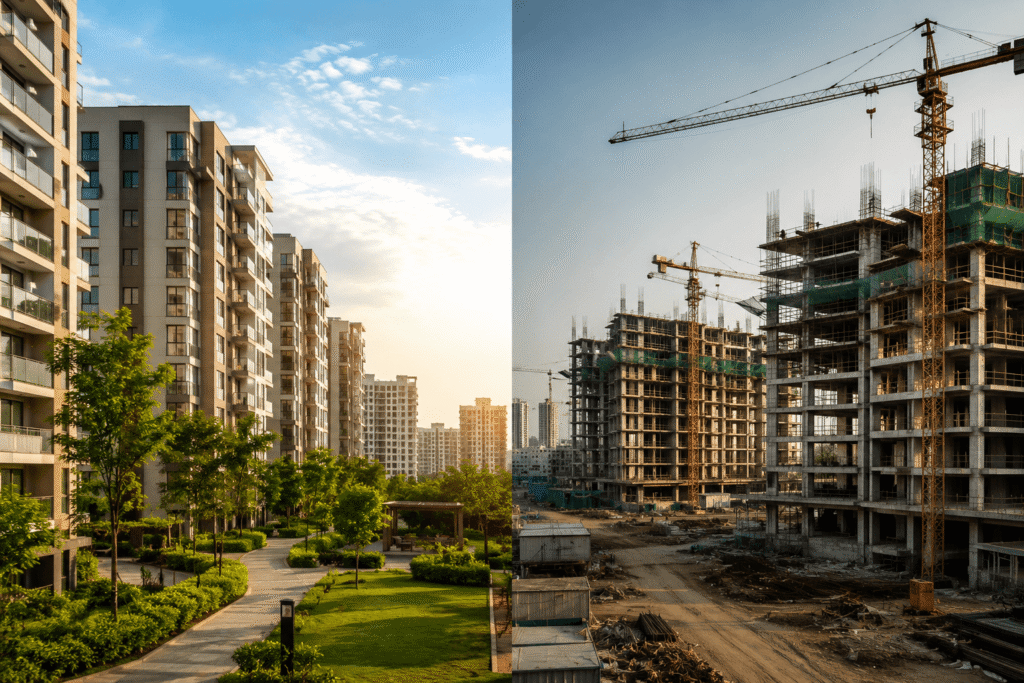
Ready-to-Move vs Under-Construction Property is one of the biggest decisions homebuyers and investors face before purchasing real estate. Buying a property is a significant financial commitment, and choosing between a ready-to-move home and an under-construction project depends on your budget, investment goals, timeline, and risk tolerance. This guide compares both options, including their advantages, disadvantages, costs, risks, and investment potential, to help you make an informed decision with confidence. Ready-to-Move vs Under-Construction: Which is Better? Ready-to-move properties are generally the better choice for buyers who need immediate possession, lower investment risk, and the ability to start earning rental income right away. In contrast, under-construction properties are often preferred by long-term investors because they typically offer lower entry prices and greater potential for capital appreciation. Ultimately, the right choice depends on your budget, financial goals, investment timeline, and risk tolerance. Over the past few years, India’s real estate market has been more transparent with the introduction of RERA, better financing options, and tighter regulations. As a result, buyers can now find more reliable information to help them compare projects before they invest. This comprehensive guide will help you understand the distinction between ready-to-move and under-construction properties and enable you to make an informed decision aligning with your needs. What is a Ready-to-Move Property? A ready-to-move property is a completed residential or commercial property that has received the required occupancy approvals and is ready for immediate possession. A Move-in Ready property is a finished home or office space that has received final occupancy approvals from the local jurisdiction. Buyers have the advantage of physically examining the property, finalising the transaction, and moving in soon after registration. Unlike under-construction projects, ready-to-move-in properties give buyers a clear view of what they are buying. With construction quality and amenities, you can see everything before you invest. Key Features of Ready-to-Move Properties Purchasing a ready-to-move-in property gives assurance, as there are no assumptions about the design, quality of construction, or completion schedules of the project Advantages of Buying a Ready-to-Move Property Why Buyers Prefer Ready Homes 1. Immediate Possession One of the biggest benefits is instant ownership. Buyers who need accommodation immediately do not have to wait for years before moving into their new home. This makes ready homes ideal for: 2. No Construction Delay Risk Construction delays have historically affected many projects across different cities. Although RERA has improved accountability, delays can still occur because of labor shortages, regulatory approvals, material costs, or unforeseen circumstances. A ready property eliminates this uncertainty. 3. What You See is What You Buy When buying A finished product, buyers can check on: Apartment size, Room dimensions, quality of construction, daylight ventilation, view from the balcony, common areas, parking, utilities, clubhouse, alarm systems. This visibility greatly minimizes the risk of buying. 4. Immediate Rental Income A ready-to-move-in property allows the investors to generate rental income right away. There is no need to wait years for the project to be completed, as rental returns will start immediately upon possession, thus enhancing cash flow and lowering the overall cost of holding. 5. Established Social Infrastructure Most of the ready projects are located in developed areas that have: Schools Hospitals Shopping Malls. Metro connectivities Restaurants Banks Parks Public Transport This is more suitable for homes with a family or working adults. 6. Streamlined Home Loan Assessment In general, banks feel more comfortable lending on a finished home, as the risk of construction has been removed. Loan approval may also be quicker because the property already exists Disadvantages of Ready-to-Move Properties While ready-to-move properties offer many advantages, they also come with a few limitations that buyers should consider before making a decision. Higher Purchase Price Ready possession houses tend to be more expensive than those still under construction in the same area. The premium reflects: Popular developments are usually sold out after completion of construction. However, buyers have limited options in terms of: Who Should Buy Ready-to-Move? Best For Not Ideal For What is an Under-Construction Property? An under-construction property is a project that is still being built and will be delivered to buyers on a future possession date. An under-construction property is a residential or commercial project in its development phase, and final possession has not been granted yet. Buyers buy these units at various stages of building, from the first launch to near completion. Developers usually release many payment plans linked to construction stages and provide the flexibility to the buyers to make payments over time. Advantages of Buying an Under-Construction Property According to multiple Indian real estate market reports, under-construction projects in high-growth micro-markets have historically delivered around 15–30% price appreciation between launch and possession. However, actual returns vary based on the developer’s reputation, infrastructure development, market conditions, and project location. Property values have a tendency to rise as the building is built and surrounding infrastructure is established. Contributors to appreciation are: This slow appreciation is often to the advantage of long-term investors as well. 1. Flexible Payment Plans A few developers also provide enticing payment plans like: This allows buyers to better plan their finances. 2. Wider Choice Early-bird buyers get to enjoy a wider selection of:- These choices might not be existent any more when the project is finished. 3. Modern Design and Amenities Newly started housing estate developments are increasingly incorporating: These are the features that today’s home buyers are looking for when shopping for future-ready homes. 4. Customization Opportunities Depending on the stage of construction, the developer allows the buyer to make the following customizations: Such personalization may not be possible in finished properties. Disadvantages of Under-Construction Properties 1. Delays in possession of property Some of the possible causes are: Although RERA offers legal protection, buyers need to assess the developer’s history of delivery in the past before they invest. 2. Market Risk Economic conditions can influence property values during construction. Factors include: Investors should consider long-term market fundamentals instead of short-term price movements. 3. Construction Quality Uncertainty Since the project is incomplete, buyers cannot inspect the finished apartment. Instead, they rely on: Choosing a reputable developer significantly reduces